Vintage & Rustic Cafe Names: The Ultimate Guide to Nostalgic Branding
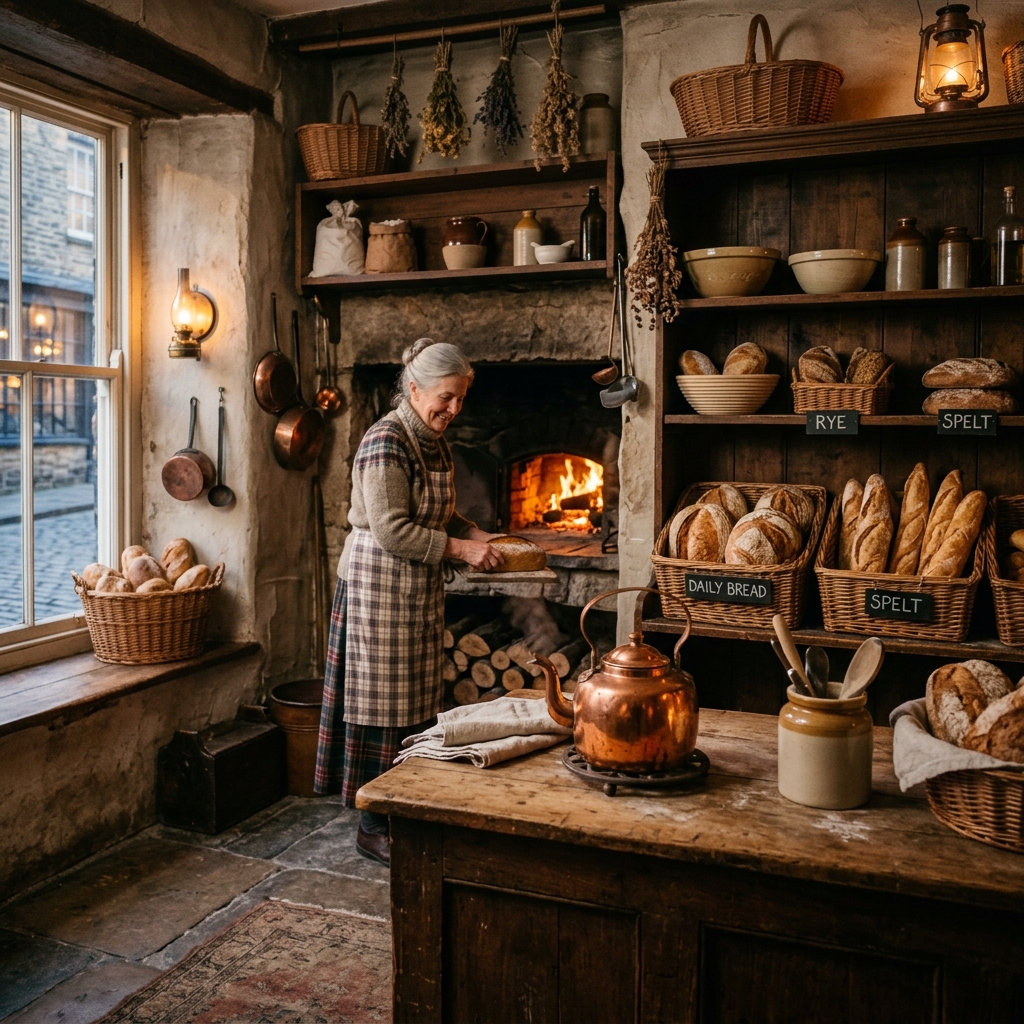
Vintage & Rustic Cafe Names: The Ultimate Guide to Nostalgic Branding
In a world that is increasingly digital, automated, and fast-paced, there is a profound human craving for the “real.” We crave textures we can touch, stories we can feel, and environments that remind us of a slower, more intentional way of life. This is why vintage and rustic cafe names have such a powerful pull. They don’t just identify a business; they offer a ticket back in time to a place of warmth, tradition, and “old-world” quality.
In this ultimate guide, we explore the deep psychology behind nostalgic branding, provide over 150 curated name ideas, and show you how to build a brand that feels like a cherished family heirloom.
1. Why Nostalgia is a Winning Strategy
Nostalgia is more than just a fond memory; it’s a powerful emotional state that can be leveraged for brand loyalty.
The “Comfort” Factor
New things are exciting, but old things are comfortable. A vintage name like The Old Mill or Heritage Grains suggests that your business has “staying power.” It implies that you use time-tested methods, traditional recipes, and a level of care that can’t be found in modern franchises. For a customer, this translates to a sense of safety and guaranteed quality.
Authenticity in a Plastic World
A rustic name suggests a connection to the earth and the craft. It tells the story of the farmer, the roaster, and the baker. In a market saturated with “plastic” corporate branding, a rustic name feels honest, raw, and authentic.
2. 150+ Vintage & Rustic Cafe Name Ideas
We’ve categorized these by “nostalgic theme” to help you find the right era for your brand.
The “Artisanal & Craft” Collection
- The Old Mill
- Heritage Grains
- The Hearth & Stone
- The Flour Mill
- Copper Kettle
- The Iron Skillet
- Hand-Kneaded
- Stone-Ground
- The Baker’s Bench
- Forge & Fire
- The Cooperage
- Weaver’s Roasts
- Smithy’s Coffee
- The Potting Shed
- Millstone Cafe
The “Country & Rustic” Vibe
- Barn Door Bakery
- The Woodsmoke Cafe
- Meadow & Mill
- Riverbend Roasts
- Timber & Tea
- Orchard Oaks
- The Patchwork Plate
- Fern & Felt
- Willow & Water
- The Grove
- Briar & Bean
- Thistle & Thorn
- Wild Wheat
- The Rolling Pin
- Cedar & Stone
- Dusty Trails
- The Stable
- Farmhouse Brews
- Prairie Perk
- Valley View
The “Vintage Parlor & Shop” Style
- Yesterday’s Brews
- Retro Roast
- The Vinyl Bean
- Timeless Tastes
- Legacy Latte
- The Nostalgic Nook
- Classic Comforts
- Old Soul Coffee
- The Parlor
- Heirloom Roasts
- The Corner Shop
- Antique Oven
- Grandma’s Kitchen
- The General Store
- Main Street Mug
- The Clocktower
- Penny Farthing Cafe
- Victorian Velvet
- The Attic
- Memory Lane
Texture-Inspired Names
- Crumb & Coal
- Grain & Gritty
- Moss & Mist
- Bark & Bean
- Slate & Silt
- Flint & Flame
- Amber & Ash
- Velvet & Vine
- Linen & Latte
- Cotton & Cream
3. The Elements of a Successful Vintage Name
What makes a name feel “old” without feeling “dated”?
Historical Reference
Using words that reference old-world professions (Cooper, Smith, Miller) or traditional tools (Kettle, Hearth, Millstone) instantly anchors your brand in the past. These words carry a weight of history that modern words simply don’t have.
Location-Based Nostalgia
Referencing a local landmark that no longer exists, or using a historical name for your street or neighborhood, creates a deep sense of community and local pride. It tells your customers that you aren’t just a business; you’re a guardian of the area’s history.
4. Building the “Rustic” Visual Identity
A vintage name requires a specific aesthetic execution to be believable.
- Typography: Look for “hand-lettered” scripts, weathered woodblock fonts, or classic serif typefaces. Avoid anything too geometric or “neon.”
- Color Palette: Stick to “earth” tones. Deep browns, forest greens, burnt oranges, and creamy off-whites. Avoid pure whites or bright, artificial colors.
- Materials: Your physical branding (menus, signage, bags) should use tactile materials like kraft paper, raw wood, hammered copper, or stamped leather.
5. Interior Design: Creating the Time Machine
Your space should feel like it has been there for 50 years, even if it opened last week.
- Found Objects: Use actual antiques as decor. An old typewriter, a vintage bicycle, or a collection of old coffee tins adds immediate credibility.
- Natural Patina: Choose materials that age beautifully. Copper counters that will develop a green patina, wooden floors that will show wear, and leather chairs that will soften over time.
- Soft Lighting: Avoid overhead fluorescent lights. Use Edison bulbs, vintage lamps, and plenty of natural light through older-style windows.
6. Digital Strategy: Nostalgia in the Modern Age
How do you market a “vintage” brand on a modern platform?
Storytelling on Social Media
Don’t just post pictures of coffee. Post pictures of your “story.” Share photos of the antiques you found, the traditional methods you use, or historical facts about your neighborhood. Your social media should feel like a digital scrapbook.
The “Anti-App” Experience
While you should have a website and social media for discovery, consider making the in-store experience less digital. Avoid QR code menus if possible—give people a physical, well-designed paper menu they can hold. This reinforces the rustic, tactile brand.
7. Legal and Trademark Considerations
Vintage names often use common words, which can be tricky to trademark.
- Distinctiveness: A name like “The Bakery” is impossible to trademark. “The Silver Millstone Bakery” is much more distinct and protectable.
- Common Usage: Ensure your “vintage” name isn’t actually a trademarked name of a different business from that era that is still active!
8. Frequently Asked Questions (FAQ)
Does a vintage name mean I can’t be modern?
Not at all. “New Vintage” is a huge trend. You can have a vintage name and aesthetic but use the absolute latest espresso technology and have a lightning-fast website.
Is “Rustic” different from “Vintage”?
Yes. “Rustic” is more about nature, raw materials, and the countryside. “Vintage” is more about a specific historical era, nostalgia, and antiques. They overlap, but the “vibe” is slightly different.
What if my building is brand new?
You can still create a vintage brand! It’s all about the materials, the name, and the storytelling. Sometimes, the contrast between a modern building and a vintage interior can be very striking.
Conclusion
A vintage or rustic name is a promise of quality and a celebration of tradition. It tells your customers that you value the craft and that you aren’t just selling coffee—you’re selling a moment of peace and a connection to the past. By choosing a name that is charming, nostalgic, and authentic, you are building a brand that will stand the test of time.
Ready to find your slice of history? Try our free cafe name generator to discover traditional and rustic cafe combinations, or browse our coffee shop name generator for heritage roasteries!